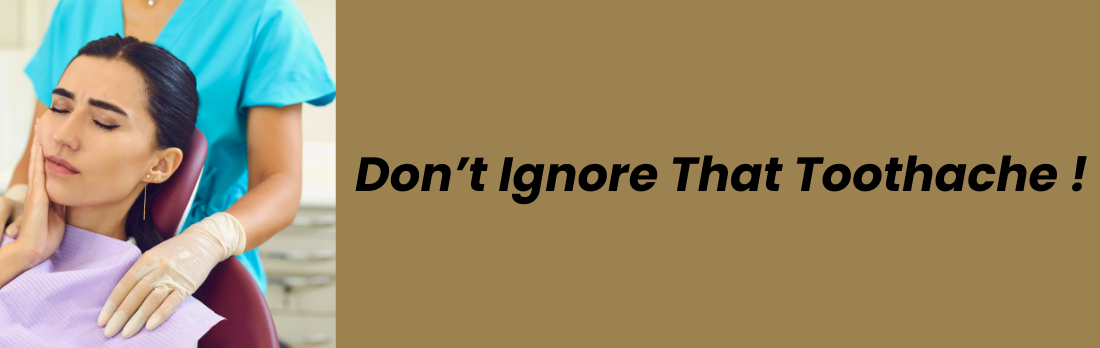
Toothaches Have a Way of Showing Up Uninvited
Maybe it starts as a dull ache that suddenly becomes unbearable at 2 a.m. Or perhaps you bite into something crunchy and hear the unmistakable crack of a broken tooth.
Sometimes, it’s swelling that seems to appear overnight, making it hard to chew.
Dental emergencies happen when you least expect them—but you don’t have to suffer in silence.
That’s what an emergency dental exam is for. Dr. Janet Kan and her team at Rideau Dental on
4th Street are here to help.
Why a Dental Exam May Be Necessary:
To provide quick relief
Identify the underlying cause
Prevent small problems from turning into serious health risks
What Is an Emergency Dental Exam?
In simple terms, an emergency dental exam is a same-day or urgent appointment with Dr. Janet Kan to diagnose and treat sudden dental issues that can’t wait for a regular check-up.
While a routine dental visit focuses on prevention and maintenance, an emergency exam is all about immediate care—relieving pain, managing infection, and protecting your oral (and
overall) health.
Examples of Dental Emergencies:
Severe tooth pain
A knocked-out tooth
Uncontrollable bleeding
Swelling
A cracked tooth making it impossible to eat
Why Timely Care Matters
When it comes to dental problems, waiting is rarely the best option.
Untreated dental emergencies can lead to serious complications, including widespread infection, abscesses, or even airway compromise in severe cases.
In other words, that “just a toothache” can quickly become a much bigger health problem. Getting seen quickly doesn’t just save your smile—it can protect your overall well-being.
Types of Dental Emergencies
Not every dental issue requires a dash to the dentist, but certain symptoms should always be
taken seriously. Here are the most common scenarios:
What to Expect During an Emergency Dental Exam
Walking into the dental office with pain or worry is stressful—but knowing what to expect can help ease the anxiety.
The Patient Experience
If you’ve ever delayed dental visits due to fear, you’re not alone.
Dental anxiety is one of the most common reasons people avoid care—even in emergencies. But emergency dentists understand that you’re arriving in pain, possibly scared, and definitely
seeking fast relief.
Rideau Dental on 4th Street offers:
Same-day treatments for urgent issues
Clear explanations every step of the way
Common Questions About Emergency Dental Exams
Why Emergency Dental Exams Matter An emergency dental exam is more than a quick fix. It’s a way to:
Relieve pain immediately
Stop infection before it spreads
Save natural teeth when possible
Protect overall health (oral infections can affect the whole body)
Provide peace of mind—you don’t have to suffer or guess what’s wrong
Your Smile Is Important, and So Is Your Health When something feels wrong, don’t wait. Smiles are meant to be shared. Don’t let a dental emergency hold yours back. Contact Dr. Janet Kan and her team at Rideau Dental on 4th Street today. Take the first step toward comfort, confidence, and lasting oral health.